Watercolor
Luminous, flowing paintings created with transparent water-based pigments.
What is Watercolor?
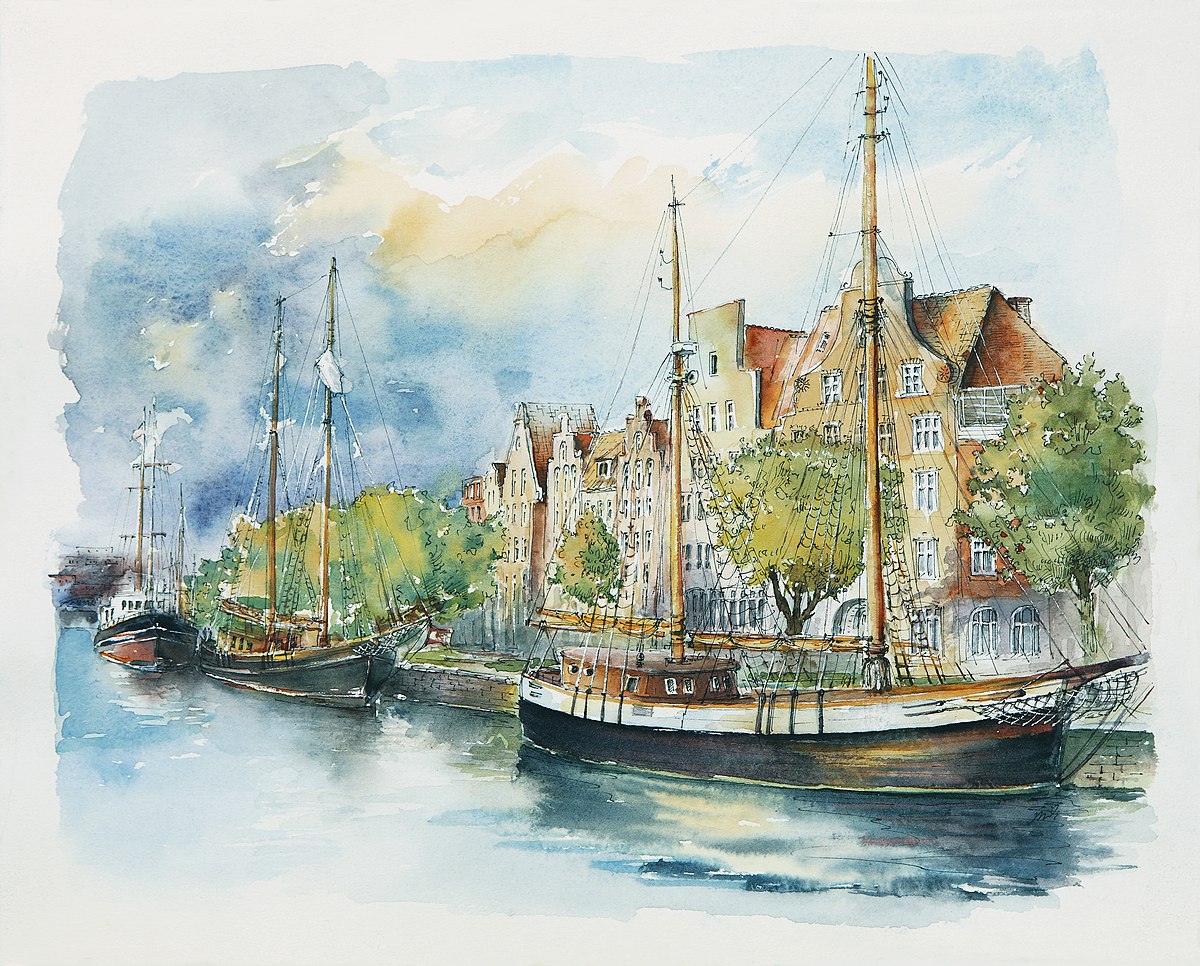
Watercolor painting uses pigments suspended in a water-soluble binder, applied to paper with brushes. Unlike opaque paints, watercolors are transparent—light passes through the paint and reflects off the white paper beneath, creating a luminous quality unique to the medium.
Watercolor rewards spontaneity and embraces happy accidents. The way water and pigment flow together creates effects impossible to achieve with other media. Learning watercolor means learning to work with the medium rather than trying to control it completely.
History & Origins
Watercolor has ancient roots but flourished as a fine art medium in 18th and 19th century Britain, where artists like J.M.W. Turner created stunning landscapes. The medium was valued for travel painting—pigments were portable and dried quickly.
American watercolorists like Winslow Homer and John Singer Sargent elevated the medium further. Today, watercolor remains beloved for its beauty and accessibility, with artists pushing its boundaries in contemporary directions.
Techniques & Styles
- Wet-on-wet: applying paint to wet paper for soft, flowing effects
- Wet-on-dry: applying paint to dry paper for crisp edges
- Glazing: layering transparent washes to build color
- Lifting: removing paint to create highlights
- Preserving whites: planning ahead to keep paper white
What to Expect in a Watercolor Class
Watercolor classes introduce you to this beautiful but challenging medium. You'll learn brush handling, color mixing, and the unique techniques that make watercolor work.
The biggest adjustment for beginners is working from light to dark. Unlike other paints, you can't easily paint light over dark in watercolor. You'll learn to plan your paintings, preserving the white of the paper for your lightest values.
Most studios provide paints, brushes, and paper. Bring an old towel or paper towels for blotting. Classes typically run 2-3 hours, enough time to complete simple studies.
Ready to Try Watercolor?
Find watercolor classes at local studios in your area.
Find Classes Near You


