Singing
Learning to sing songs with confidence and expression.
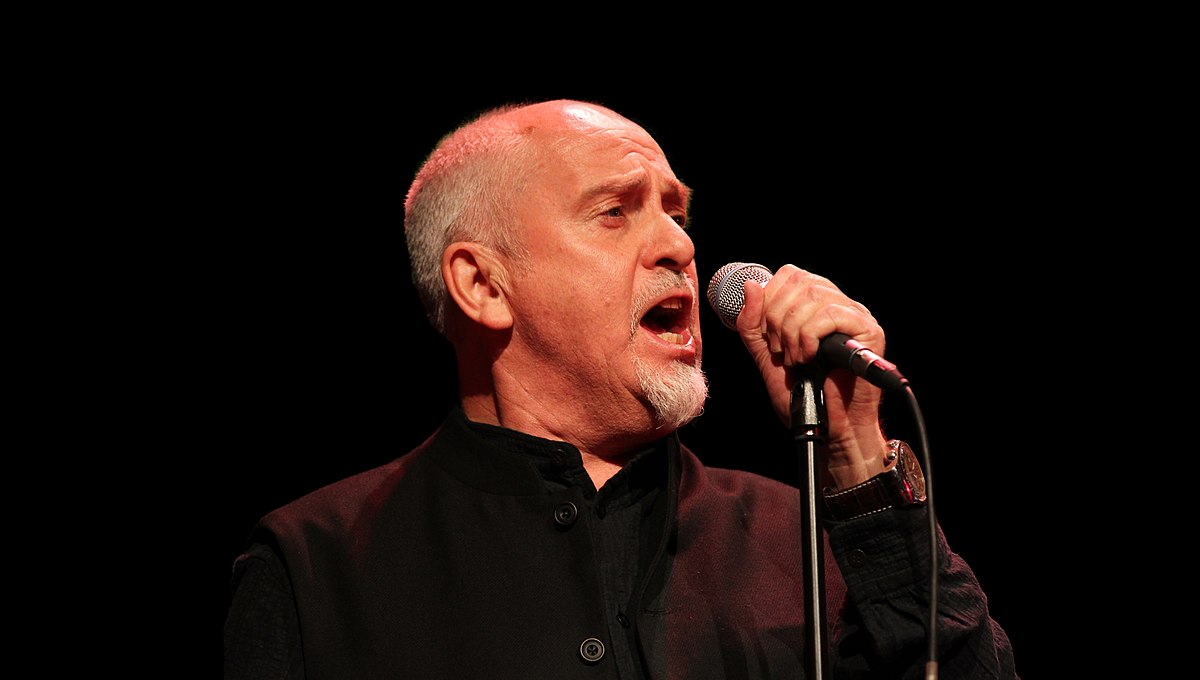
What is Singing?
Singing lessons focus on performing songs rather than pure vocal technique. While technique matters, the emphasis is on making music—learning repertoire, building performance skills, and finding your artistic voice.
Singing connects you to music directly. You don't need an instrument, just yourself. Classes help you choose appropriate material, develop interpretation, and build the confidence to share your voice with others.
History & Origins
People have sung since before recorded history. Formal singing instruction developed alongside opera in the 17th century, but folk traditions passed songs and techniques through generations without formal training.
Today's singing students pursue many goals: karaoke confidence, choir participation, solo performance, recording. Teaching methods have adapted to serve all these paths, from classical conservatory approaches to contemporary commercial styles.
Techniques & Styles
- Song selection and interpretation
- Phrasing and dynamics
- Microphone technique (for amplified styles)
- Building repertoire
- Performance skills and stage presence
What to Expect in a Singing Class
Singing lessons are usually private, 30-60 minutes. You'll work on songs you want to learn, with the teacher helping you sound your best. Some studios offer group classes for ensemble singing or performance workshops.
Bring music you want to work on, or let your teacher suggest material. Having recordings to practice with helps between lessons.
Lessons typically happen weekly. Progress requires practice, but singing practice is more enjoyable than many instruments—you're making music from day one.
Ready to Try Singing?
Find singing classes at local studios in your area.
Find Classes Near You


