Baking
The art and science of creating breads, pastries, and desserts.
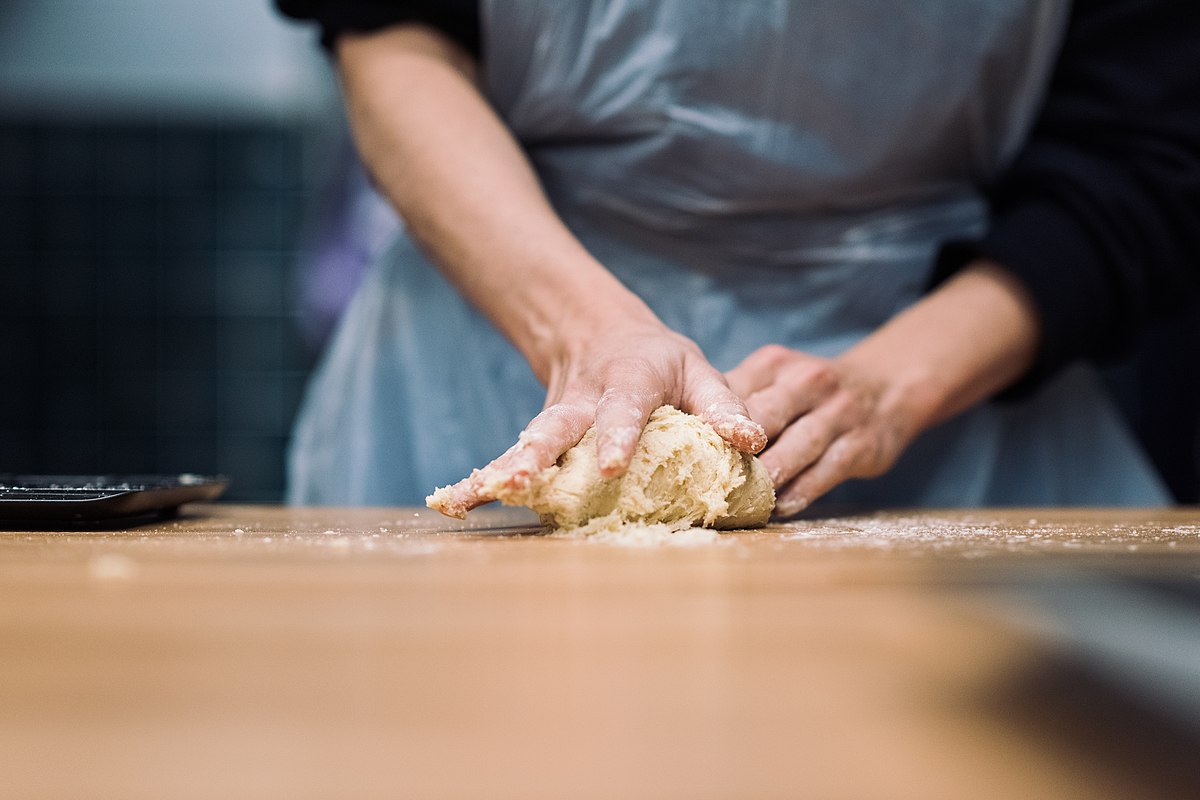
What is Baking?
Baking combines art and science—precise measurements and chemistry produce delicious results. From crusty breads to delicate pastries to decorated cakes, baking offers endless creative possibilities.
Unlike stovetop cooking, baking requires precision. Understanding why recipes work—how gluten develops, how leaveners rise, how sugar caramelizes—makes you a better baker and enables creative adaptation.
History & Origins
Baking dates back to ancient Egypt, where the first leavened breads were created. Pastry arts developed in Renaissance Europe, while industrial baking transformed bread production in the modern era.
Today, interest in artisan baking has surged. Students learn traditional techniques—sourdough fermentation, laminated doughs, tempering chocolate—while bringing fresh creativity to ancient crafts.
Techniques & Styles
- Measuring accurately: weight vs. volume
- Mixing methods: creaming, folding, kneading
- Understanding leavening: yeast, baking powder, eggs
- Temperature control: proofing, baking, cooling
- Decoration: piping, fondant, garnishing
What to Expect in a Baking Class
Baking classes walk through complete recipes, explaining techniques and science along the way. You'll mix, shape, bake, and usually take home what you make.
Expect to make mistakes—baking teaches through both success and failure. Understanding why something went wrong improves your future baking.
Studios provide ingredients and equipment. Bring containers to take home your creations. Wear closed-toe shoes and an apron if you have one. Classes typically run 2-3 hours or longer for complex projects.
Ready to Try Baking?
Find baking classes at local studios in your area.
Find Classes Near You