Best Oil Pastels for Beginners: A Buying Guide
 Oil PastelsSuppliesBeginners
 Drawing
 You signed up for an oil pastel class, and now you need supplies. Or maybe you tried oil pastels somewhere and want to continue at home. Either way, you're staring at dozens of options wondering which set won't waste your money.
Here's a straightforward guide to oil pastels for beginners—what matters, what doesn't, and specific recommendations at different price points.
Oil Pastels vs. Soft Pastels vs. Oil Paint
Before buying, make sure you know what you need.
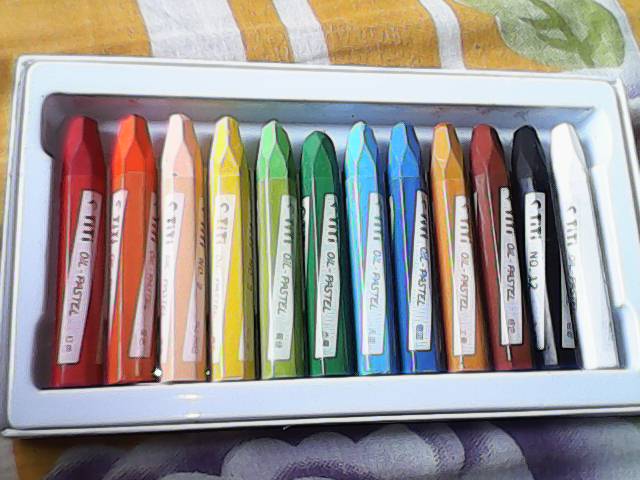
Oil pastels are waxy, creamy sticks that blend smoothly and never fully dry. They're what this guide covers.
Soft pastels (also called chalk pastels) are powdery and require fixative spray. Different product entirely.
Oil paint sticks are actual oil paint in stick form. More expensive, different handling properties.
If your class specifically says "oil pastels," don't accidentally buy soft pastels. The packaging can look similar.
What Makes Good Oil Pastels?
Pigment Load
Higher pigment concentration means more vibrant color. Cheap oil pastels use more filler (wax and binders) and less pigment. The result: dull, hard-to-blend sticks that frustrate beginners.
You can't easily test pigment load in a store. Brand reputation and reviews are your guide.
Softness
Softer pastels blend more easily and apply smoothly. Harder pastels feel scratchy and resist layering. Student-grade pastels tend toward the harder side; artist-grade pastels are typically softer.
For beginners, medium softness works well—soft enough to blend, firm enough to control.
Lightfastness
How well colors resist fading in light. Matters for finished artwork you want to display. Less critical if you're just practicing.
Most student-grade pastels have lower lightfastness. That's fine for learning.
Color Range
Starter sets typically have 12-48 colors. For beginners, 24-36 colors offers enough variety without overwhelming choices. You can always buy individual sticks later for specific colors you need.
Price Tiers Explained
Budget ($10-20 for 24-48 pieces)
Functional for trying the medium. Higher wax content, less vibrant colors, harder texture. Good for: testing whether you like oil pastels before investing more.
Mid-Range ($25-50 for 24-48 pieces)
Noticeable quality improvement. Better pigmentation, smoother application, more satisfying to use. Good for: beginners who've tried oil pastels and want to continue.
Artist-Grade ($60+ for 24-48 pieces)
Professional quality. High pigment concentration, excellent blending, archival lightfastness. Good for: committed hobbyists and those creating work to sell or display.
Recommended Sets by Budget
Budget: Pentel Arts Oil Pastels (50 pieces, ~$15)
The standard recommendation for absolute beginners. Not the smoothest or most vibrant, but:
- Enough colors to work with
- Decent blending for the price
- Widely available
- Low-risk investment for trying the medium
Best for: First-timers testing whether oil pastels are their thing
Budget Alternative: Crayola Oil Pastels (28 pieces, ~$8)
Even more affordable, but noticeably harder texture and less vibrant colors. Fine for kids or casual experimentation. Adults serious about learning will likely upgrade quickly.
Mid-Range: Sakura Cray-Pas Expressionist (36 pieces, ~$35)
The sweet spot for beginners. Significant quality jump from budget options:
- Noticeably softer and creamier texture
- More vivid colors
- Better blending
- Still affordable for experimenting
Best for: Beginners ready to invest in quality without spending artist-grade prices
Mid-Range Alternative: Sennelier Oil Pastels (24 pieces, ~$45)
Artist-grade quality in a smaller set. Extremely soft and buttery texture. If you know you love oil pastels and want excellent quality with fewer colors, this offers professional performance at mid-range prices.
Artist-Grade: Holbein Artists' Oil Pastels (36 pieces, ~$70)
When you're ready for the real thing:
- Exceptional softness
- Intense pigmentation
- Professional color mixing
- Excellent lightfastness
Best for: Committed practitioners and those creating finished artwork
Artist-Grade Alternative: Sennelier Oil Pastels (48 pieces, ~$100)
The benchmark for professional oil pastels. Incredibly soft, rich colors, excellent archival quality. Many professional artists use Sennelier exclusively.
What About Individual Sticks?
Most art stores sell individual oil pastel sticks from major brands. This is useful for:
- Replacing colors you use frequently
- Adding specific colors your set lacks
- Testing a brand before buying a full set
Individual artist-grade sticks typically cost $3-6 each. Budget sticks cost $1-2 each.
Paper Matters Too
Oil pastels need the right surface. Regular printer paper is too thin and smooth—pastels slide around and paper can tear.
Recommended surfaces for beginners:
Mixed media paper (90+ lb weight) Affordable and versatile. Handles oil pastels well and works for practice.
Pastel paper (like Canson Mi-Teintes) Textured surface grabs pastel. Comes in colors, which can become part of your artwork.
Cardstock In a pinch, heavy cardstock works. Not ideal but functional for practice.
Canvas paper or canvas boards More expensive but allows painting-like techniques.
A pad of mixed media paper ($8-15) is sufficient for getting started.
Other Supplies You Might Need
Blending Tools
- Paper stumps/tortillons: Inexpensive, disposable blending tools
- Fingers: Free, intuitive, but gets messy
- Baby oil: Applied sparingly with a brush, creates paint-like blending (some artists swear by this technique)
Fixative Spray
Optional for oil pastels since they don't dust like soft pastels. Some artists use a light fixative coat to reduce smudging, but oil pastels never fully dry anyway. Skip this for now.
Storage
Oil pastels don't need special storage. Keep them in their original box or any container. They don't dry out like paints.
Where to Buy
Art Supply Stores
Blick Art Materials, Michaels, JOANN, local art shops. Good for seeing products in person. Michaels and JOANN often have 40-50% off coupons that make mid-range sets more affordable.
Online
Amazon, Blick.com, JerrysArtarama.com. Better selection, often better prices, can't touch products before buying. Read reviews.
Class Supply Lists
If your class provides a supply list, follow it. Instructors choose materials that work for their teaching methods.
Common Beginner Mistakes
Buying the Cheapest Set
Ultra-budget pastels frustrate learners. Hard, waxy sticks that don't blend teach you nothing about the medium's potential. The Pentel 50-piece set at ~$15 is the minimum quality worth considering.
Buying Too Many Colors
48+ color sets seem appealing but aren't necessary. Learning to mix and layer 24-36 colors teaches more than having every shade pre-made.
Skipping Practice Paper
Working on expensive paper while learning wastes money and creates pressure. Get cheap mixed media paper for practice, save quality surfaces for finished work.
Expecting Soft Pastel Behavior
Oil pastels don't need fixative and can't be easily erased. They blend differently than chalk pastels. Don't expect techniques to transfer directly.
Sample Starter Kit
For beginners ready to invest reasonably:
- Sakura Cray-Pas Expressionist 36-piece set (~$35)
- Strathmore 400 Series Mixed Media Pad, 9x12" (~$12)
- Paper blending stumps, pack of 6 (~$3)
Total: ~$50
This setup gives you quality materials without overspending on supplies you might not continue using.
Quality Comparison at a Glance
| Set | Pieces | Price | Softness | Pigmentation | Best For |
|---|---|---|---|---|---|
| Crayola | 28 | ~$8 | Hard | Basic | Kids, casual |
| Pentel Arts | 50 | ~$15 | Medium-hard | Decent | First test |
| Sakura Expressionist | 36 | ~$35 | Medium-soft | Good | Serious beginners |
| Sennelier | 24 | ~$45 | Very soft | Excellent | Quality seekers |
| Holbein | 36 | ~$70 | Very soft | Excellent | Committed artists |
| Sennelier | 48 | ~$100 | Extremely soft | Professional | Professional work |
The Bottom Line
If you're taking one class to try oil pastels: the Pentel Arts 50-piece set at ~$15 is adequate.
If you've tried oil pastels and want to continue: the Sakura Cray-Pas Expressionist 36-piece set at ~$35 hits the sweet spot of quality and value.
If you already know you love the medium: Sennelier 24-piece (~$45) gives you artist-grade quality in a starter-friendly size.
Better materials make learning more enjoyable. But even budget pastels teach the basics. Start where your budget allows, upgrade when you know you'll continue.
Frequently Asked Questions
Can I mix different brands?
Yes. Oil pastels from different brands work together. Many artists use multiple brands to get specific colors or textures they prefer.
Do oil pastels expire?
No. They can last indefinitely if stored reasonably. Very old pastels may become slightly harder but remain usable.
Are oil pastels safe for kids?
Most oil pastels are non-toxic, but check the label. Crayola and Pentel make child-safe options. Avoid artist-grade pastels containing cadmium for children.
Can I use oil pastels on canvas?
Yes. Canvas works well for oil pastels and allows more painterly techniques. Prime the canvas first, or use canvas paper designed for oil pastels.
How do I clean oil pastels off skin?
Baby oil or vegetable oil removes oil pastel easily. Regular soap and water work too, but take longer.