Art Classes for Seniors: Everything You Need to Know
 SeniorsBeginnersRetirement
 Painting
 Drawing
You've thought about taking an art class for years. Maybe you sketched as a kid and gave it up. Maybe you've always admired people who paint. Maybe retirement finally gave you the time.
Whatever brought you here, the question is the same: is it too late to start?
It's not. And you're not alone in asking.
Why Seniors Take Art Classes
People come to art later in life for different reasons:
Time. Careers and kids took priority. Now there's space for something purely personal.
Social connection. Art classes put you in a room with people doing something creative together. Many studios develop genuine communities.
Cognitive benefits. Learning new skills keeps the brain engaged. Art involves problem-solving, observation, and hand-eye coordination—all things that matter as we age.
Personal expression. After decades of doing what needed to be done, making something for no reason other than the pleasure of making it hits different.
Bucket list. Some people just always wanted to try it.
None of these require talent or prior experience. Art class isn't a test. It's an activity.
What to Expect at Your First Class
If you've never taken an art class, here's what typically happens:
Before Class
You'll likely sign up online or by phone. Many studios ask about experience level—be honest that you're a beginner. This helps them place you in the right group.
Some studios offer trial classes or single sessions. These are good for testing the waters before committing to a multi-week series.
Arriving
Get there 10-15 minutes early. This gives you time to find parking, locate the room, and settle in without rushing.
Studios provide supplies for most beginner classes. You'll typically just need to bring yourself.
The Class Itself
Most beginner classes follow a demonstration-then-practice format. The instructor shows a technique, then you try it while they circulate and offer guidance.
Class lengths vary:
- 1.5-2 hours is typical for weekly classes
- 3-4 hours for intensive workshops
- Social events (like paint-and-sip) run 2-3 hours
You'll work at your own pace. Nobody's timing you or grading your work.
The People
Art classes attract all ages, but many studios offer senior-specific sessions. Either way, you'll find people at various skill levels. Beginners are common. No one expects you to be good.
Choosing the Right Class
Not all art classes are created equal. Here's what matters for seniors:
Physical Considerations
Seating. Ask about chair options. Standing easels work for some people but not others. Many studios have both.
Duration. Longer isn't always better. A 90-minute class might suit you better than a 3-hour session.
Pace. Look for "beginner" or "relaxed pace" descriptions. Avoid classes labeled "intensive" or "bootcamp."
Bathroom access. A practical concern nobody mentions. Make sure facilities are accessible.
Class Type
Painting (watercolor, acrylic, oil) - Sitting at a table or standing at an easel. Various difficulty levels.
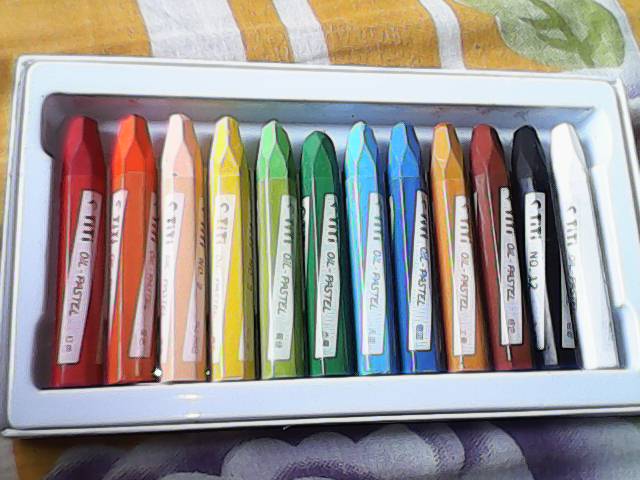
Drawing - Pencil, charcoal, pastels. Often lower-key and meditative.
Pottery/Ceramics - Wheel throwing requires upper body strength; hand-building is more accessible.
Mixed media/Collage - Less emphasis on drawing skills, more on composition and creativity.
For true beginners, watercolor and drawing classes tend to be the most accessible. Wheel throwing has a steeper physical learning curve.
Social Atmosphere
Some classes are quiet and focused. Others are chatty and social. Some studios encourage conversation; others prefer silence during work time.
Neither is wrong—it depends on what you want. Look at class descriptions and reviews to get a sense of the vibe.
Class Size
Smaller classes mean more individual attention. Look for 8-12 students maximum for beginner classes. Larger classes work fine for social events but less well for learning.
Senior-Specific Programs
Many studios and community centers offer programming designed for older adults:
Senior Centers and Recreation Departments
Municipal recreation departments often run low-cost art classes. These tend to be welcoming, casual environments with peers your age.
Pros: Affordable, convenient, senior-focused Cons: Variable quality, limited options
Community Colleges
Many colleges allow seniors to audit courses for reduced fees. You'll be in classes with younger students, which some people enjoy and others don't.
Pros: Structured curriculum, qualified instructors Cons: Longer commitment, mixed age groups
Private Studios
Independent art studios range from serious instruction to casual social activities. Quality and price vary widely.
Pros: Specialized instruction, flexible scheduling Cons: Can be expensive, varying quality
Art Museums
Many museums offer classes and workshops. These often focus on specific techniques or artists.
Pros: Inspiring environment, knowledgeable instructors Cons: Can be formal, limited availability
Online Classes
Virtual classes became common during the pandemic and remain an option. You work from home with instructor guidance via video.
Pros: No travel, work at your own pace Cons: Less social, need your own supplies
Cost Considerations
Art class prices vary significantly by location and type:
| Class Type | Typical Cost |
|---|---|
| Municipal recreation class (6-8 weeks) | $50-150 |
| Community college course (semester) | $100-300 |
| Private studio workshop (one day) | $50-100 |
| Private studio series (6-8 weeks) | $200-400 |
| Paint-and-sip event | $35-65 |
Most classes include materials. If you need to buy your own supplies, start cheap and upgrade later—no point investing in professional-grade materials before you know what you enjoy.
Some studios offer senior discounts. It doesn't hurt to ask.
Common Concerns
"I have no talent."
Talent is overrated. Skill is learned. The people making impressive art weren't born doing it—they practiced.
Art class is for learning, not performing. Everyone starts somewhere.
"I'm too old to learn something new."
Research consistently shows that older adults can learn new skills. The brain remains plastic throughout life. You might learn differently than you would have at 25, but you can absolutely learn.
"Everyone else will be better than me."
Beginner classes are full of beginners. You won't be the only one struggling. And frankly, everyone's too focused on their own work to judge yours.
"What if I can't see/hear well?"
Talk to the studio before signing up. Many instructors are happy to accommodate—speaking more clearly, demonstrating closer, providing written instructions. But they need to know.
"I can't sit/stand for that long."
Ask about options. Many studios have adjustable seating. Some offer breaks. The instructor might not know you need accommodations unless you mention it.
"Art supplies are expensive."
For beginner classes, the studio usually provides everything. If you eventually want to work at home, you can start with modest supplies and upgrade as you go.
Getting the Most From Your Classes
Start with one class, not three.
It's tempting to sign up for everything. But committing to multiple classes can become overwhelming. Take one, finish it, and then decide what's next.
Do the practice.
Most skills improve with practice between classes. Even 15-20 minutes of sketching or painting at home reinforces what you learned.
Ask questions.
Instructors expect questions. That's what they're there for. Don't struggle in silence.
Accept imperfection.
Your first paintings will not look like the instructor's. This is normal. Growth happens through making imperfect work, not through waiting until you're ready.
Find your people.
The social aspect matters. If you connect with someone in class, get coffee afterward. Art communities form around studios, and those connections enhance the experience.
Ready to Start?
The best time to start was 20 years ago. The second best time is now.
Look for beginner-friendly classes in your area. Check your local recreation department, community college, or independent art studios. Most offer trial classes or single workshops—perfect for testing whether you enjoy it.
You don't need to be good. You just need to be curious.
FAQ
What if I have to miss a class?
Most studios allow occasional absences. Multi-week courses sometimes offer makeup sessions. Ask about the policy when you sign up.
Do I need to buy my own supplies?
Beginner classes typically include materials. Some studios ask you to bring specific items—they'll tell you in advance.
Are there age limits for regular classes?
Not usually. Most adult classes welcome anyone 18+. Age diversity is common.
What should I wear?
Comfortable clothes you don't mind getting paint or clay on. Leave nice clothes at home.
Can I bring a friend?
Usually yes, if they also sign up. Some studios offer discounts for bringing someone.
What if I have a disability?
Contact the studio ahead of time to discuss accommodations. Many can adjust for mobility issues, hearing or vision impairment, or other needs—but they need advance notice.